This is the fifth and final installment in my series of posts, “People of Prayer”.
As I read back through the past four posts I’ve written in this series, I see a common theme. In none of these situations was the answer to the prayer the most important part of the story. Yes, Hannah was given a child, Paul was healed after Ananias prayed, Israel was protected from the Assyrians, and Daniel was kept safe in the lions’ den. But even if none of that was true, we could still glean many of the same truths from the passages. While it can be a hard pill to swallow, we ultimately learn that prayer often changes us even more than it changes the situation.
These examples lead us to our final Person of Prayer. But this time, it’s different—the prayer is not answered in the way this individual asked and they are not saved from pain. You might be thinking, “maybe their heart wasn’t in the right place. Maybe their prayer wasn’t pure. Maybe they had poor motives or didn’t truly trust God with their circumstances.” There’s just one problem with those assumptions…the person I’m referring to is Jesus—the only perfect man to ever walk the earth, the King of all kings and Lord of all lords, the Creator of all things and the righteous Son of God.
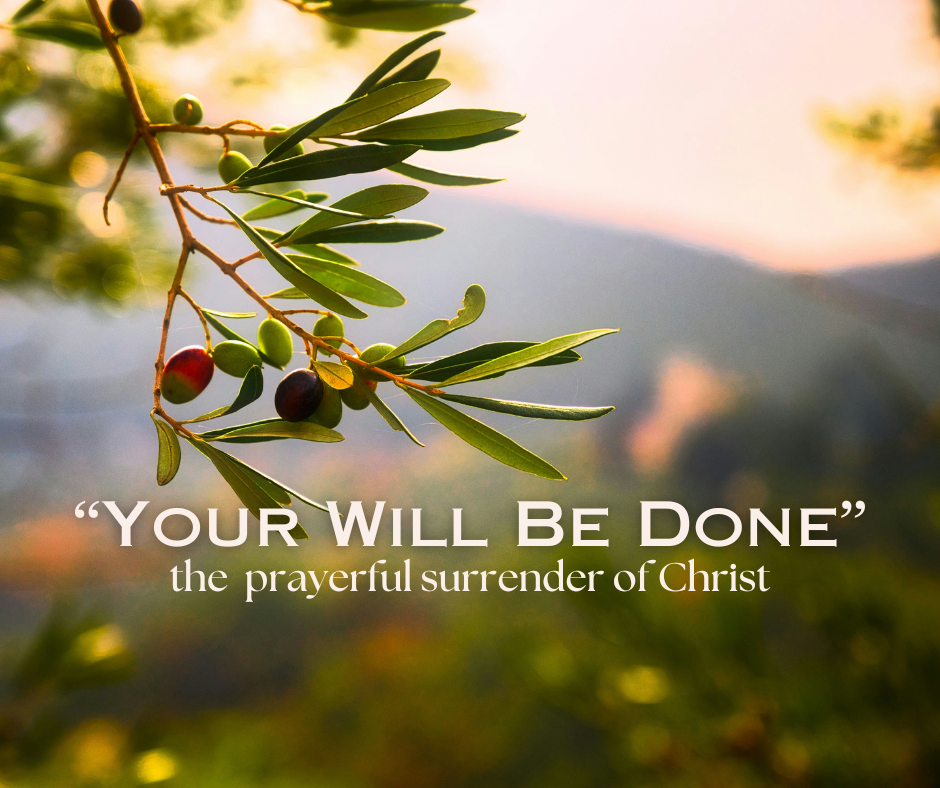
Mark 14 describes the beginning of the many terrible hours in which Jesus is arrested, accused, tried, tortured, and ultimately murdered in the terrible Roman method of death: crucifixion. But before any of this begins, Jesus steps aside from His disciples in the Garden of Gethsemane to pray to the Father. Scholars have found that Gethsemane could be translated as “oil press” and that the Garden of Gethsemane was really an olive orchard (no, Jesus didn’t go pray at Olive Garden). How fitting that the place where olives were crushed and pressed into oil would be the same place where our Lord was “crushed for our iniquities” (Isaiah 53:5).
We might expect Jesus to pray for strength to face the suffering to come…but He doesn’t. Mark 14:35-36 tells us: “He went a little beyond them, and fell to the ground and began to pray that if it were possible, the hour might pass Him by. And He was saying, ‘Abba! Father! All things are possible for You; remove this cup from Me; yet not what I will, but what You will.’” We often see this moment as a time where Christ relates to our suffering and pain, and part of this is accurate. But truthfully, none of us will ever truly feel what Christ felt in this moment. In His holiness He bore the weight of the world’s sins, rejection, pain, suffering, guilt, shame, and separation from God. We will never experience what He did—partly because we are not perfect as He is and partly because He has already experienced it on our behalf.
It is Christ’s last phrase that sets His prayer apart from what we in our terrified anticipation might pray. In submission to His Father, He says, “yet not what I will, but what You will.” How many of us would have the strength to pray this prayer and to mean it? Submission doesn’t mean that we don’t make our requests known to God, whatever they may be. But it does mean that we accept God’s greater plan if His will doesn’t align with ours. I will always believe Hebrews 12:1-3 are some of the greatest verses in the Bible: “Therefore since we have so great a cloud of witnesses surrounding us, let us run with endurance the race that is set before us, fixing our eyes on Jesus, the author and perfecter of faith, who for the joy set before Him endured the cross, despising the shame, and has sat down at the right hand of the throne of God. For consider Him who has endured such hostility by sinners against Himself, so that you will not grow weary and lose heart.” If we are tempted to despair, we need only think of Jesus and all He endured for us.
Don’t get me wrong, prayer is powerful. I truly believe that “the effective prayer of a righteous man can accomplish much” (James 5:16). But for a prayer to be called “effective” it must be spoken from a heart that recognizes God’s sovereign wisdom and our human ignorance. If I had received everything I’ve ever prayed for, I wouldn’t be who I am today. And so I thank God that His will does not bow to mine. This is what I think Moses meant when he prayed “that we may present to You a heart of wisdom” (Psalm 90:12). The sign of wisdom is not that we always know what is right but that we always know Who is right.
Our give-and-take culture would teach us that if we don’t get what we want, we’re not praying hard enough or we’re not saying the right words. But when these doubts start to creep in, I implore you to remember Christ. Remember Him who asked that the cup be removed. Remember Him who endured all this world and the devil could throw at Him. Remember Him—and remember that He is working all things for His glory and your good.
“‘For My thoughts are not your thoughts, nor are your ways My ways,’ declares the Lord. ‘For as the heavens are higher than the dearth, so are My ways higher than your ways and My thoughts than your thoughts’” (Isaiah 55:8-9).
 Steadfast, Immovable, Abounding
Leave a comment